
Fire Door Inspection
Ensure Your Fire Doors Remain Compliant and Effective. Fire doors are a critical component of a building's passive fire protection system, designed to restrict the spread of fire and smoke and protect escape routes. Regular inspections are essential to ensure that fire doors remain fit for purpose and continue to perform as intended in the event of a fire.
At B-Line Ltd, we provide professional Fire Door Inspections carried out by a certified Fire Door Inspector under the FDIS® Competent Person Certification Scheme, accredited by UKAS for BS EN ISO/IEC17024:2012. Inspections are undertaken with reference to current industry guidance and legislation, including BS 8214: Timber-based Fire Door Assemblies – Code of Practice, BS 9999: Fire Safety in the Design, Management and Use of Buildings, the Regulatory Reform (Fire Safety) Order 2005, and the Fire Safety(England) Regulations 2022.
Our inspections help building owners, managing agents, landlords and responsible persons identify defects, assess compliance, and meet their legal obligations for the inspectionand maintenance of fire doors. Whether you require a single fire door inspection, routine compliance checks, or acomprehensive survey across multiple properties, B-Line Ltd can provide detailed reporting, practical recommendations, and remedial solutions tosupport your fire safety strategy.
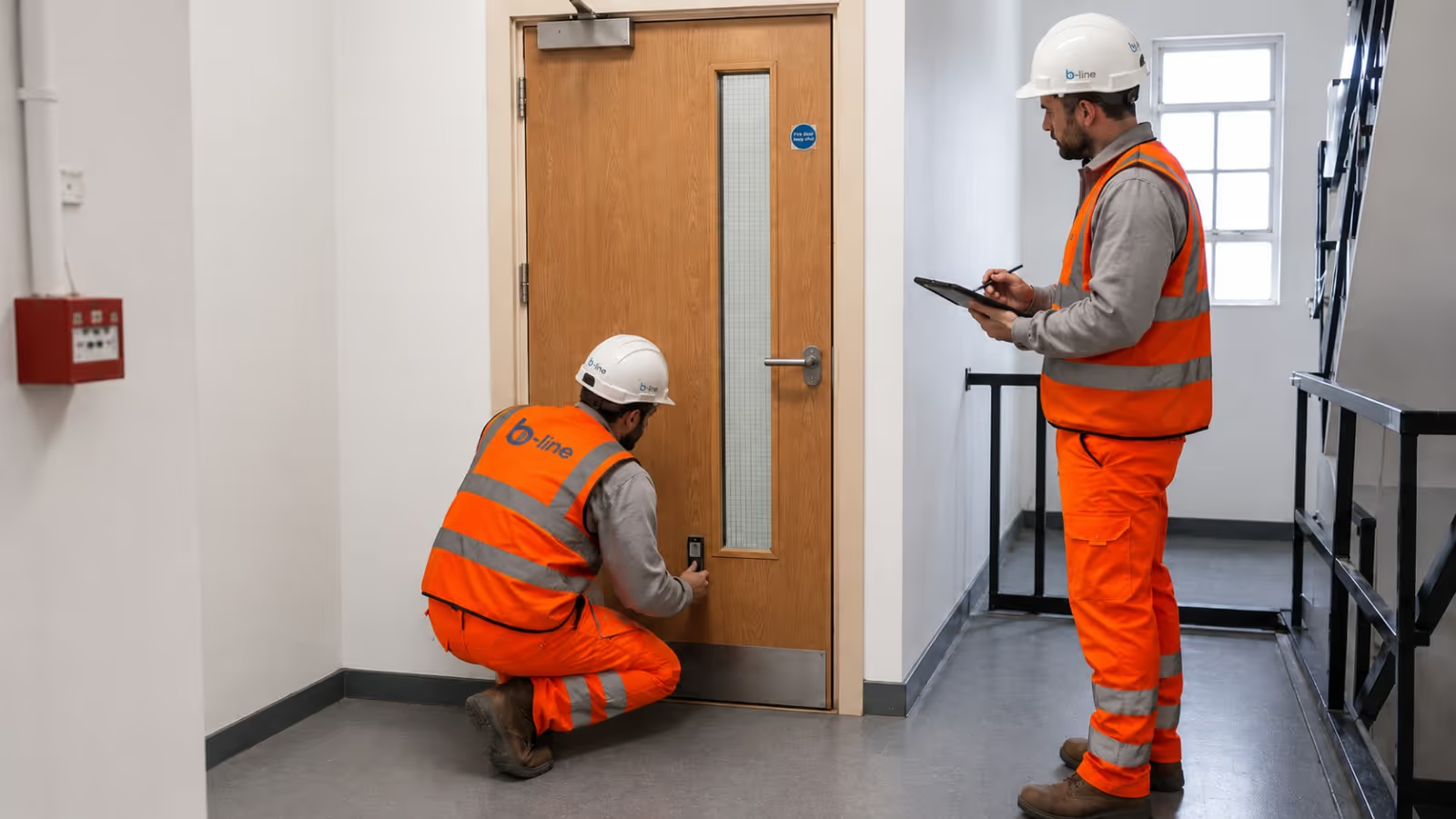
What We Inspect
Our fire door inspections include a thorough assessment of:
- Door leaf condition and integrity
- Door frame condition and suitability
- Door gaps and clearances
- Intumescent strips and smoke seals
- Hinges and ironmongery
- Self-closing devices
- Fire-rated glazing and vision panels
- Signage and identification
- General compliance with current fire safety standards
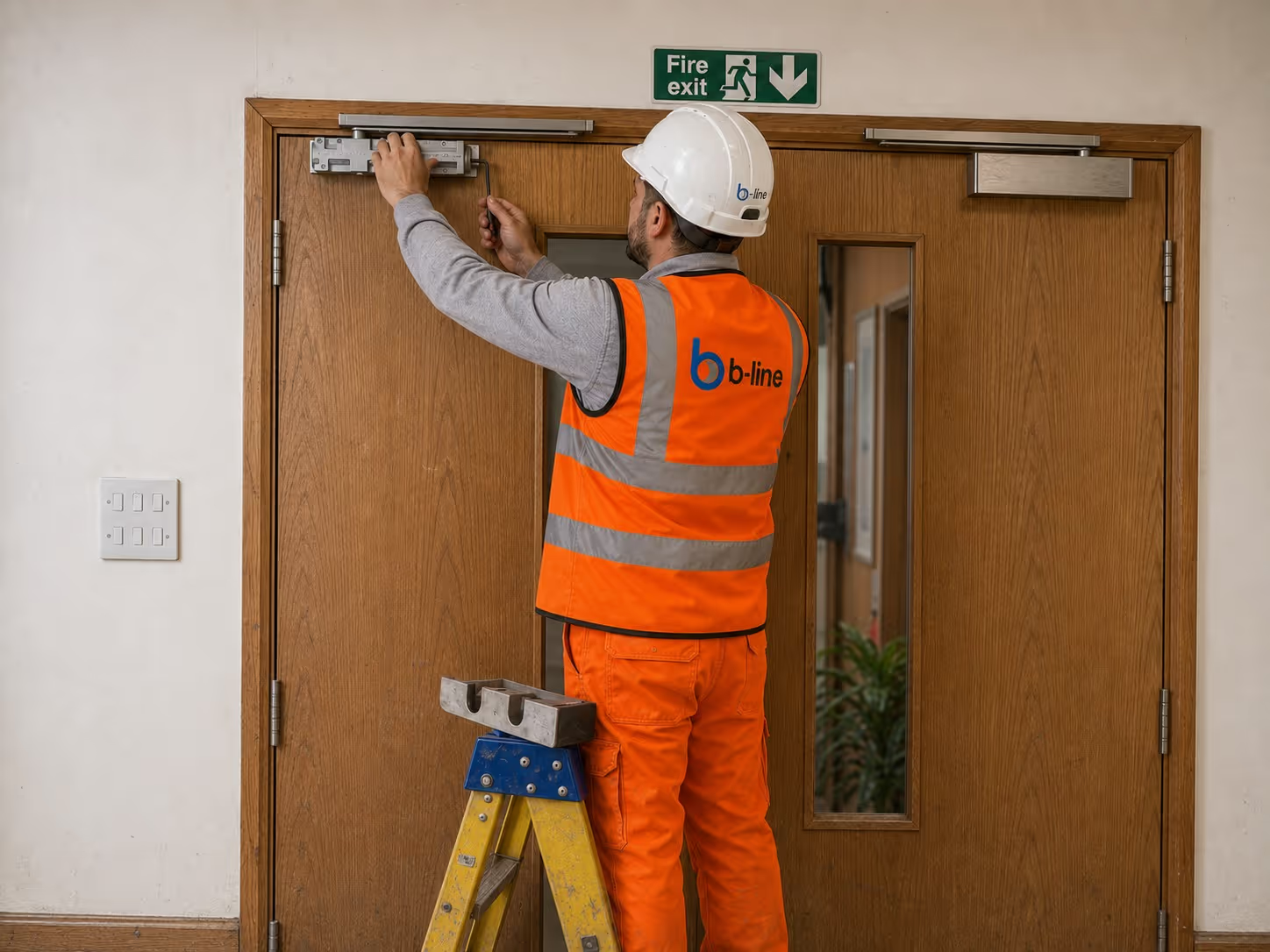
Inspection Report
Following the inspection, we provide a detailed reportincluding:
- Inspection findings
- Photographic evidence
- Identified defects and non-compliances
- Recommended remedial actions
- Prioritised maintenance requirements
Fire Door Remedial Works
Where defects are identified, B-Line Ltd can also carry out the required remedial works to help bring fire doors back into compliance.
As a FIRAS-certified contractor, we are qualified to undertake fire door maintenance and repairs in accordance with industry standards.
Who We Work With
We provide fire door inspections for:
- Residential blocks
- Housing associations
- Managing agents
- Commercial buildings
- Schools and educational facilities
- Healthcare premises
- Industrial facilities
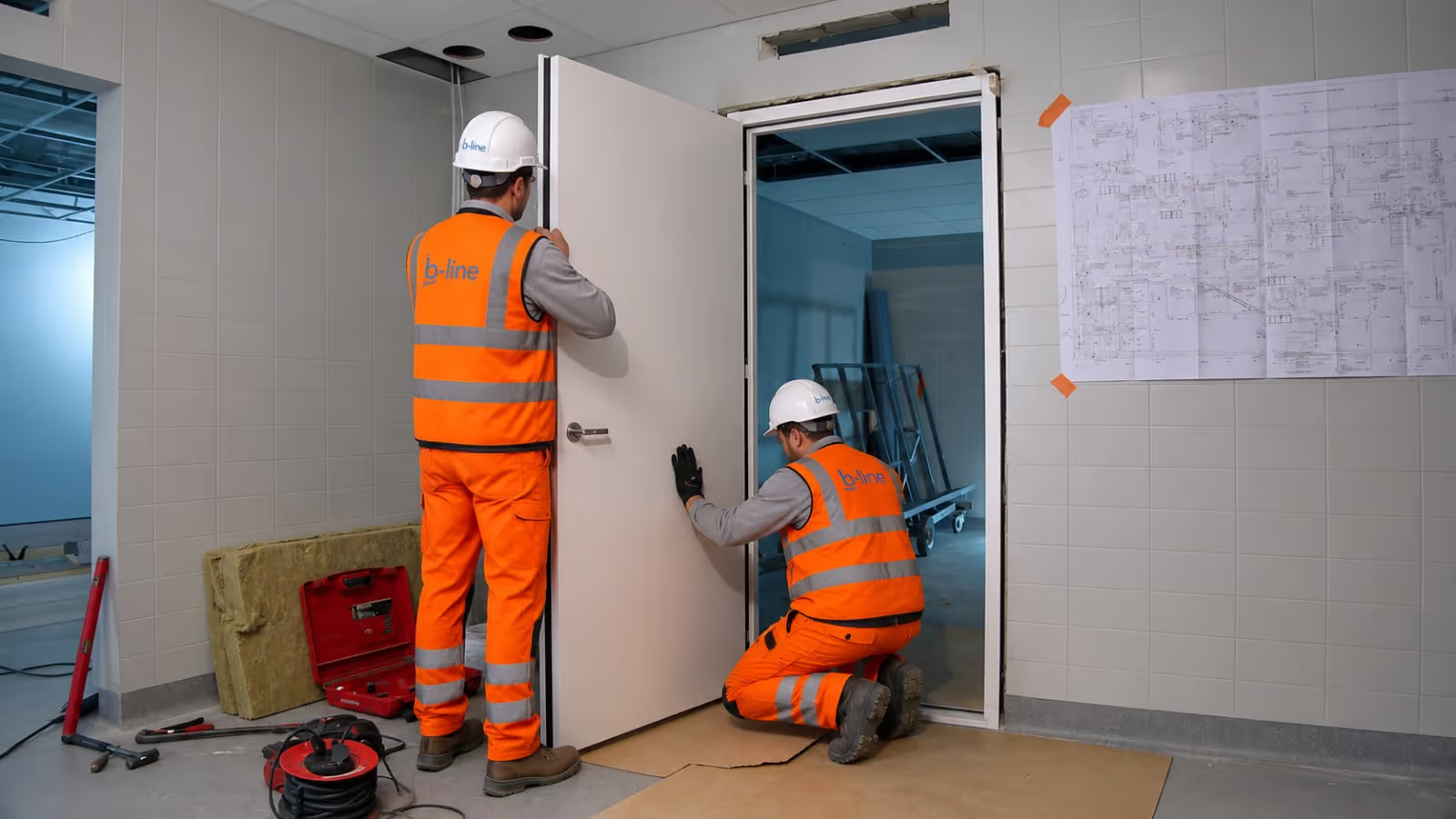
Why Choose B-Line Ltd?
- FIRAS-certified fire door maintenance contractor
- FDIS Certified Fire Door Inspector
- Detailed inspection reports
- Remedial works and ongoing maintenance
- Professional, reliable service
- Compliance-focused approach
Book a Fire Door Inspection
Whether you require a single fire door inspection or a full building survey, our team can help. Contact B-Line Ltd today to discuss your requirements and request a quotation.
What is a fire door inspection and what does it involve?
A fire door inspection is a thorough assessment of a fire door assembly to confirm it remains fit for purpose and will perform as intended in the event of a fire. At B-Line Ltd, our certified Fire Door Inspector examines every critical component, including the door leaf and frame condition, gaps and clearances, intumescent strips and smoke seals, hinges and ironmongery, self-closing devices, fire-rated glazing, and signage. We then check the assembly against current fire safety standards and provide a detailed report setting out our findings, photographic evidence, any defects or non-compliances, and prioritised remedial recommendations.
How often should fire doors be inspected?
Inspection frequency depends on the building and how the doors are used. Under the Fire Safety (England) Regulations 2022, responsible persons for residential buildings with storeys above 11 metres must carry out quarterly checks of fire doors in communal areas and, on a best-endeavours basis, annual checks of flat entrance doors. For other premises, the Regulatory Reform (Fire Safety) Order 2005 requires fire doors to be maintained in efficient working order, with the appropriate frequency informed by your fire risk assessment. As a general guide, high-traffic doors benefit from more regular inspection. B-Line Ltd can help you establish a suitable inspection schedule for your property.
Who is legally responsible for fire door inspections?
Responsibility sits with the building's “responsible person” under the Regulatory Reform (Fire Safety) Order 2005. In practice this is often the building owner, landlord, managing agent or housing association, depending on how the premises are managed. Theresponsible person has a legal duty to ensure fire doors are inspected and maintained so they continue to provide effective protection. B-Line Ltd works with building owners, managing agents, landlords and responsible persons to identify defects, assess compliance, and meet these obligations.
What qualifications does your fire door inspector hold?
Our inspections are carried out by a certified Fire Door Inspector under the FDIS® Competent Person Certification Scheme, which is accredited by UKAS to BS ENISO/IEC 17024:2012. Inspections are undertaken with reference to current industry guidance and legislation, including BS 8214 (Timber-based Fire Door Assemblies – Code of Practice) and BS 9999 (Fire Safety in the Design, Management and Use of Buildings). B-Line Ltd is also a FIRAS-certified contractor, which means we are qualified to carry out fire door maintenance and repairs to recognised industry standards.
What happens if defects are found during the inspection?
Any defects or non-compliances are recorded in your inspection report alongside photographic evidence, recommended remedial actions, and prioritised maintenance requirements, so you can see exactly what needs attention and in what order. Where remedial works are required, B-Line Ltd can carry them out for you. As a FIRAS certified contractor, we are qualified to undertake fire door repairs and maintenance tobring doors back into compliance, giving you a single point of contact from inspection through to completion.